
* Photos are indicative.
Net Weight
150gGross Weight
300gWidth
6cmDepth
6cmHeight
8cm
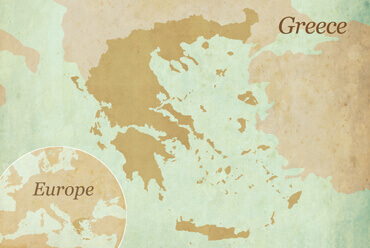
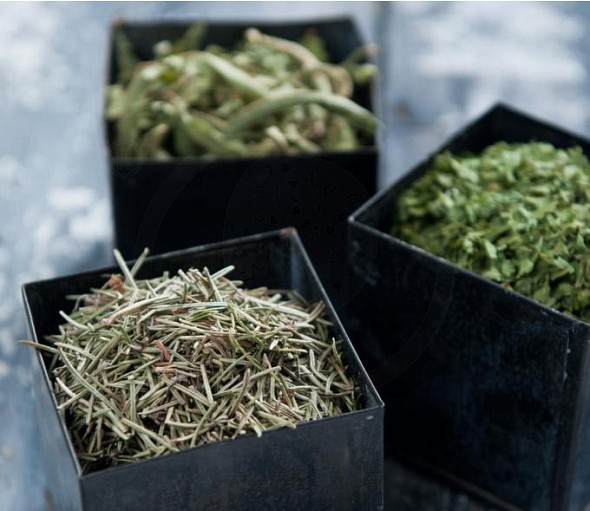
“Themis Farm” is one of largest agricultural businesses of Trikala in the regional unit of Thessaly, Central Greece. The farm occupies more than 400 stremma (92 acres) of farmable land that is combined with oak tree forests. The company owes its success to its dedication to and love for the Greek countryside and to its implementation of new technologies. The farm was established in 1956 as a corn and wheat farm. As of 2012 Themis Farm specializes in organic hay. Today, due to the rising demand for Greek herbs, part of the farm’s cultivations is devoted to organic oregano and sage. It was the same demand that encouraged the company to establish “Hestia”, an offshoot, in 2014 with a view to exporting and distributing quality Greek herbs.
The company’s wish is to familiarize the world with the abundance and richness of Greek flavors and products since the fertile lands and temperate climate of Greece yields products whose premium quality and exceptional nutritional value have been showcasing them since antiquity. It is precisely that ancient wisdom that “Hestia” wishes to spread through its services and products. Case in point, the company’s very name: Hestia. In ancient Greek “hestia” means “hearth” or “fireside” and in Greek mythology Hestia was the goddess of the hearth, the family, and domesticity. She was so important to the ancient Greeks that each household maintained an altar dedicated to the goddess Hestia, older sister of Zeus. “Hestia” is a company which insists that farming under its watchful eye be anchored on organic farming standards and that harvesting be carried out carefully by hand so that the herbs may reach consumers without having lost any of their superior sensory traits.
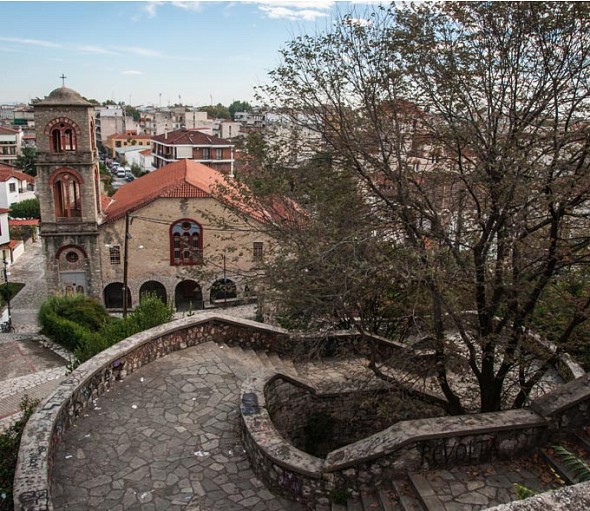
Trikala is a city in the Region of Thessaly, Central Greece. It has been inhabited since prehistoric times and archaeological evidence in Theopetra Cave has revealed signs of human habitation that date back to approx. 49,000 years. Neolithic settlements dating back to 6000 have been uncovered at Megalo Kefalovriso and a number of other locations. Trikala is a city built on the ancient site of Trikka (or Trikke) which had been named after the Nymph Trikke, daughter of the river Peneios or, according to other mythological sources, daughter of the river Asopus. The ancient city of Trikke was a prominent one as it was the birthplace and place of residence of the great Greek physician Asclepius. It is also cited in the Homeric epics as having participated in the Trojan War. During the Mycenean period, Trikke became the capital of the Kingdom of Hestaeotis. In 480 BC, Trikke came under Persian rule. In 352 BC it became part of the Macedonian Kingdom of Philip II. During the time of the wars between the Macedonians and the Romans, Trikke became the arena of many hard battles between the two rivals until 168 BC when it was conquered by the Romans. Although in the early years of Christianity Trikke was under Byzantine rule, it was invaded by a succession of tribes. Its current name, Trikala, is first cited during the 11th century and then, again, in the early 12th century. In 1393, Trikala found itself under Ottoman rule and experienced a sudden growth after centuries of decline. During the Ottoman period, Trikala became the administrative and economic center of the local province (Sanjak of Trikala). What is more, Trikala became the area’s intellectual hub as it was the location of the Trikke School where notable intellectuals of the time taught. Following the Treaty of Constantinople, Trikala came under Greek sovereignty, together with Epirus and the rest of Thessaly. For a brief period of time afterwards, it was again occupied by Ottoman forces until its final union with Greece in 1898. In the ensuing years, Trikala played a role of the utmost importance in the mobilization of the farmhands against Thessaly’s landowners (Tsiflikades). In 1906, it became the first Greek city to have an Agricultural Cooperative. During WWII, the Resistance developed rigorous activities in the area of Trikala until the area was rid of the Nazi yoke on October 18, 1944.
Trikala is a beautiful city traversed by Lithaios River, a tributary of Peneios River. Lithaios’ riversides are the ideal place for strolls and unwinding as they are verdant with plane trees and other flora species that love water. Trikala’s breathtaking natural vistas can only be rivaled by its flawlessly designed city plan, broad squares, lush parks, and pedestrian streets as well as its ability to offer all of the comforts and premium services of a modern city to its residents and visitors. Many are the extant mansions that have been well preserved in Trikala and many are the sights worth visiting such as the old Varousi District which, as part of Greece’s cultural heritage, has become listed and never fails to impress visitors. Trikala is the perfect springboard for forays and outings to the renowned villages of Elati and Pertouli, to the nearby ski resort facilities, and the monasteries perched on the towering rocks of Meteora.